


Rishtan Blue
Rishtan teapot, 1 litre
€149
1
Specifications
- Dimensions
- —
- Weight
- 1150 g
- Materials
- stoneware, lead-free glaze, bamboo
Delivered to Germany
One final price. VAT and customs are included and paid by us — nothing is due on delivery.
- Price
- €149
- Shipping · Estimated delivery 8–14 days
- €32
- VAT 19%
- €34.96
- Customs duty
- €3
Total€218.96
- Ships in 2–4 days
- Verified workshop
- Returns
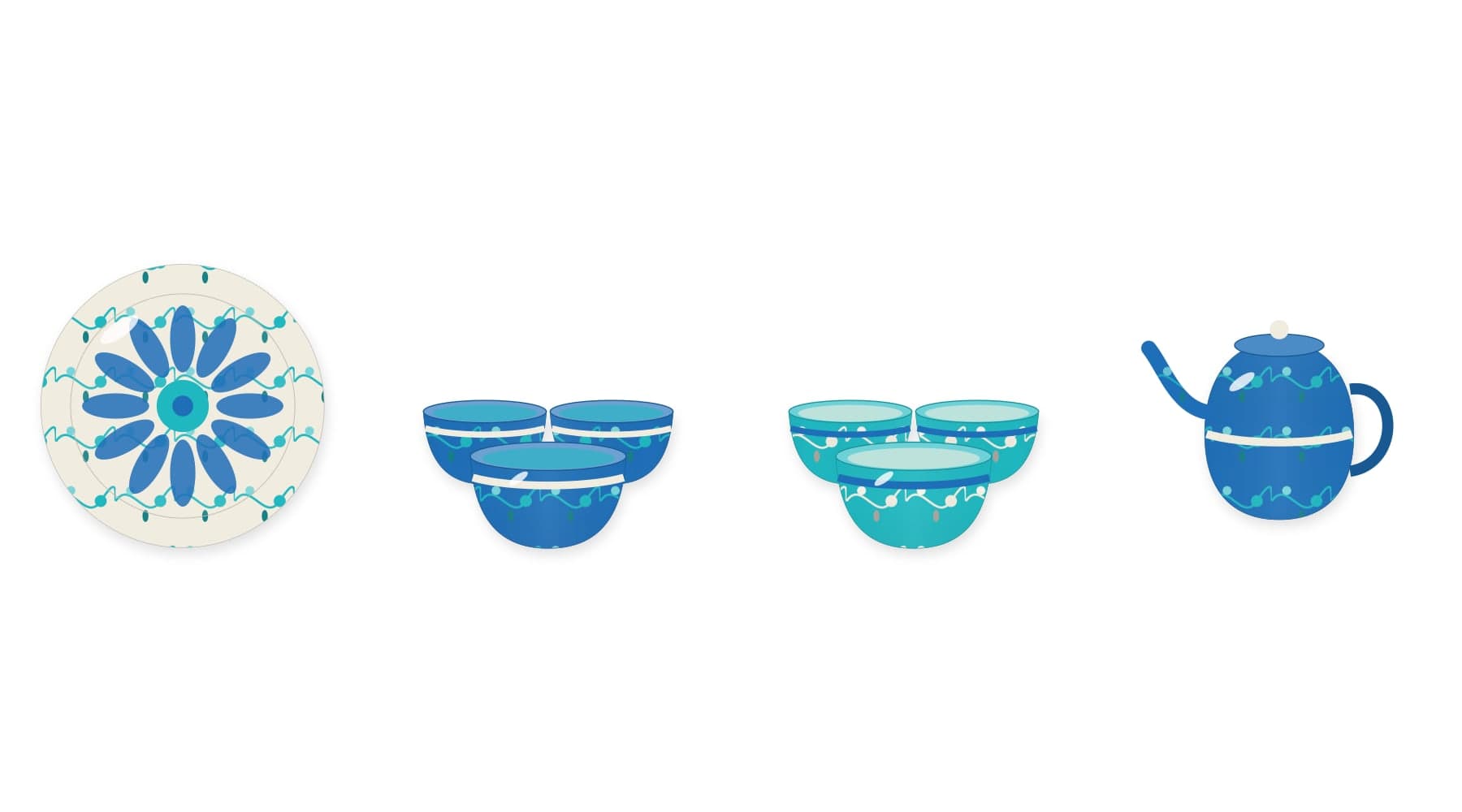
A round-bellied teapot with a cane handle, painted with the bodom almond pattern. Pours cleanly, keeps green tea warm through a long conversation.
Customs & compliance
HS 691200 · Made in Uzbekistan · stoneware, lead-free glaze, bamboo
One final price. VAT and customs are included and paid by us — nothing is due on delivery.
Damaged or not as described: full refund, keep the piece. Changed your mind: 14 days, return shipping at your cost.
Materials & making
Rishtan stoneware, ishkor glaze, bamboo handle. 1 l, 950 g.
Each piece is made by hand; small variations are part of its character.
Care
Dishwasher-safe on a gentle cycle, though hand washing preserves the glaze longest. Not for the oven or microwave. Ishkor glaze is lead-free and food-safe.
About the maker
The ishkor glaze of Rishtan, fired the way it has been for eight hundred years.
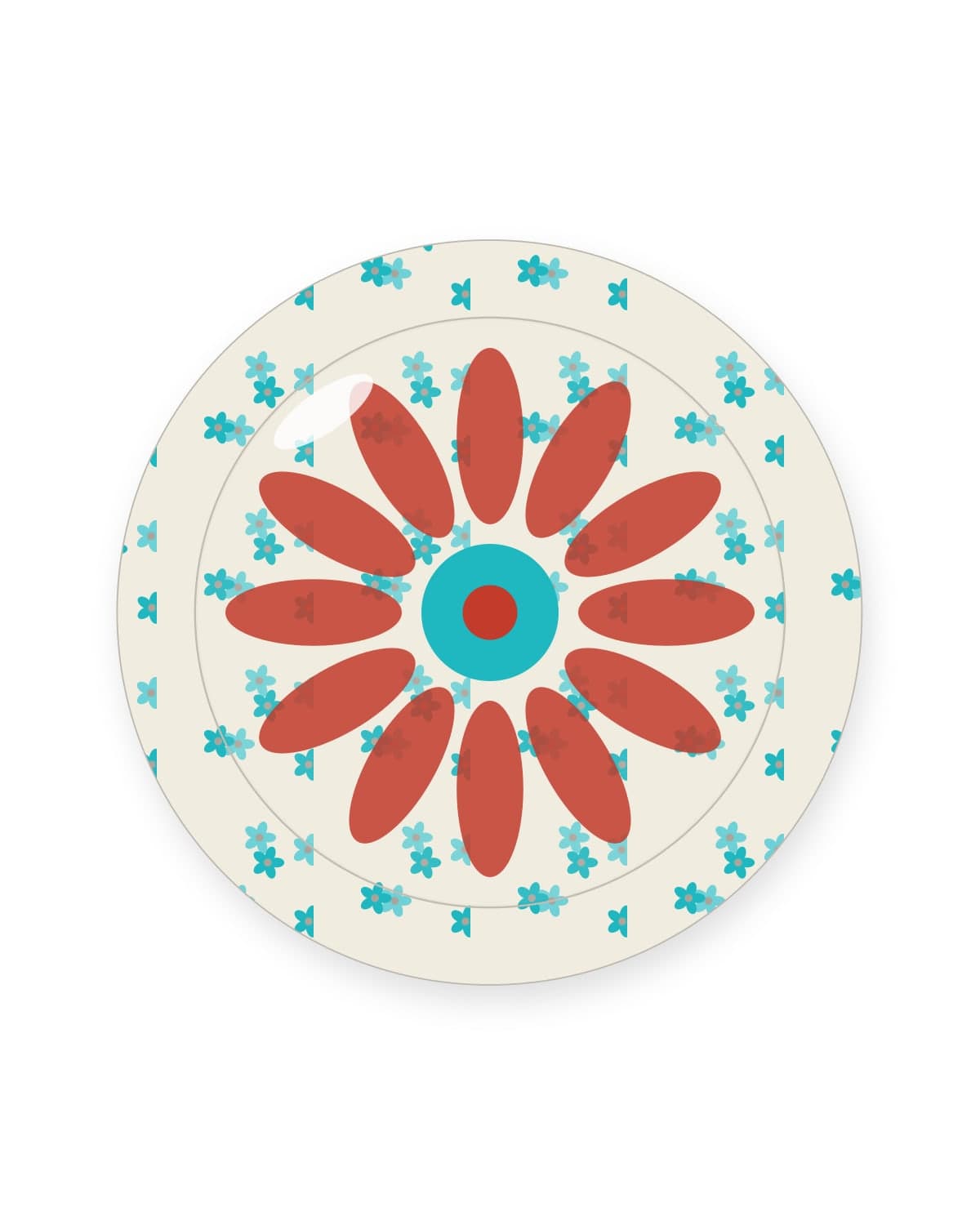
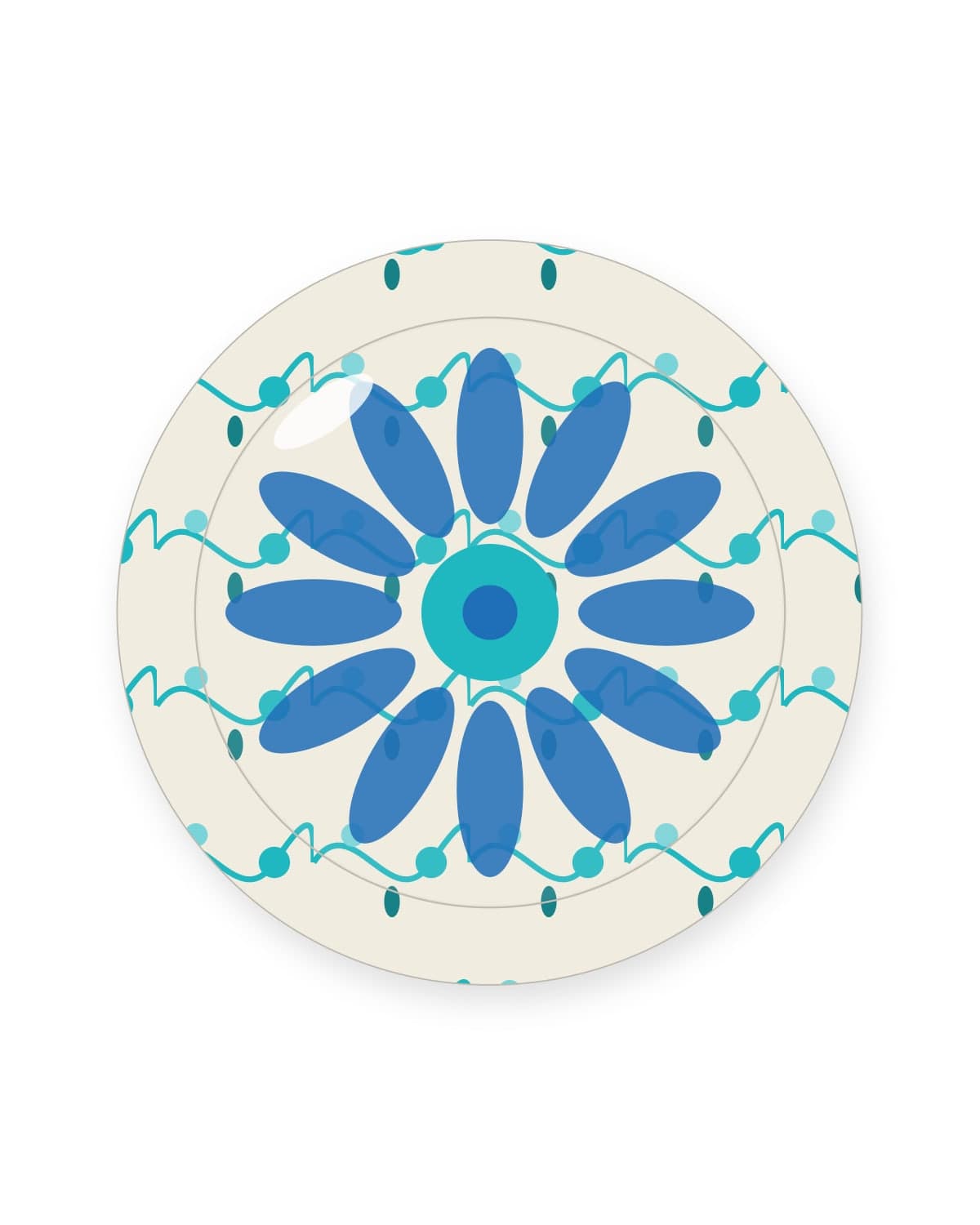
Rishtan sits on a seam of red clay in the Fergana Valley that potters have worked since the twelfth century. Usto Alisher Nazirov's family kiln still fires with the ishkor glaze — ash of the desert plant burned and ground with quartz — which gives the town's ceramics their impossible turquoise-blue. Plates are thrown, dried in the courtyard, painted freehand with mineral pigments and fired once. No two are alike.
Visit workshopDetails
- Material
- Stoneware
- Technique
- Hand-thrown
- Technique
- Ishkor ash glaze
- Colour
- Lapis blue
- Weight
- 1150 g
- SKU
- RISHTANTEAPOT
About the maker
Rishtan
Uzbekistan
Rishtan Blue
The ishkor glaze of Rishtan, fired the way it has been for eight hundred years.
Rishtan sits on a seam of red clay in the Fergana Valley that potters have worked since the twelfth century. Usto Alisher Nazirov's family kiln still fires with the ishkor glaze — ash of the desert plant burned and ground with quartz — which gives the town's ceramics their impossible turquoise-blue. Plates are thrown, dried in the courtyard, painted freehand with mineral pigments and fired once. No two are alike.
Visit workshopReviews
No reviews yet — be the first after delivery.